Welcome to Polk County, Tennessee
Polk County Tennessee Government Information
Polk County is located on the southeastern corner of Tennessee and is bordered by North Carolina and Georgia. The county was established in 1839 and named in honor of Governor and President James K. Polk. The county seat is Benton. One of the most prominent industries in the county's history has been copper mining, first discovered at Ducktown in 1843, which significantly shaped the region's landscape.
In addition to copper mining, the county has three hydroelectric plants on the Ocoee River and one on the Hiwassee River operated by the Tennessee Valley Authority. Polk County has eight Century Farms and the oldest is the Boyd Farm that was established in 1838. For more information regarding Polk County, please visit the Tennessee Encyclopedia of History & Culture .
Historic Polk County
Soon after the Great Removal of the Cherokees to the West, Polk County was formed by an act of the Tennessee legislature on November 2, 1839, from land taken from Bradley and McMinn Counties.
The Ocoee River hosted the whitewater events for the 1996 U.S. Summer Olympics and remains one of the most popular rafting destinations in the United States.
Polk County is divided geographically by the Ocoee River Gorge and Chilhowee Mountain into two sections commonly referred to as East Polk and West Polk.
Agriculture has been the main industry in Polk County from its founding, and while not currently as large as in early days, it continues to play an important role in the local economy.
Steeped in the past and invested in the future, Polk County is both a great place to visit and a wonderful place to live and raise families.
Announcements
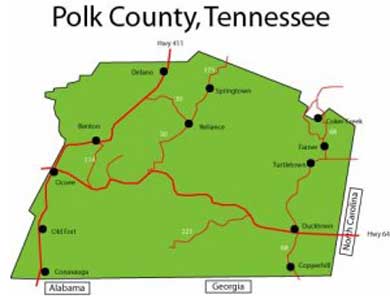
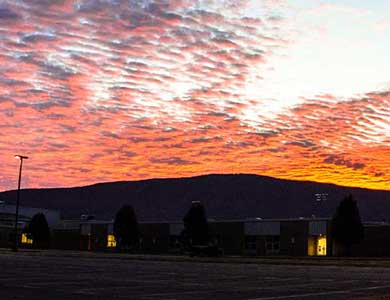
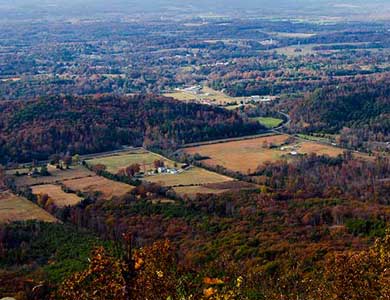

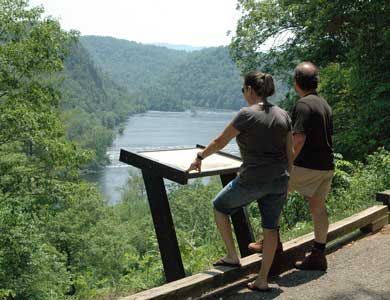
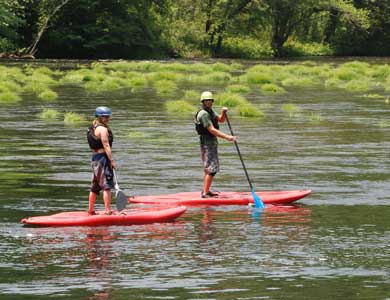
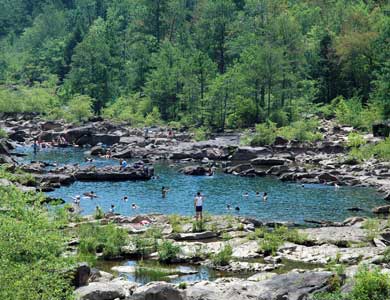

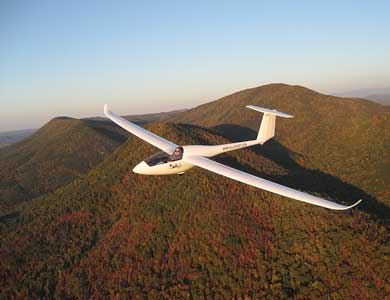
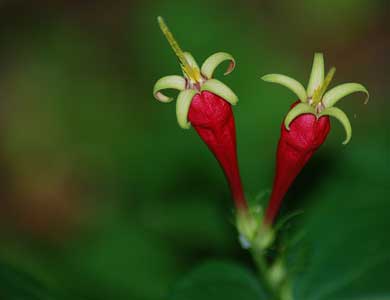

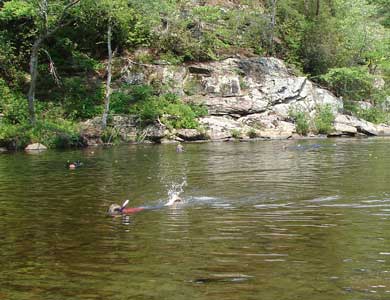

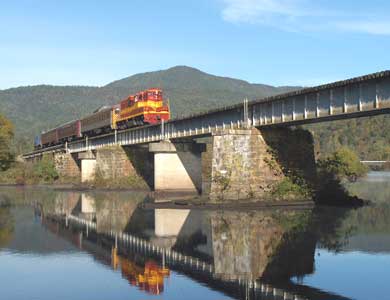
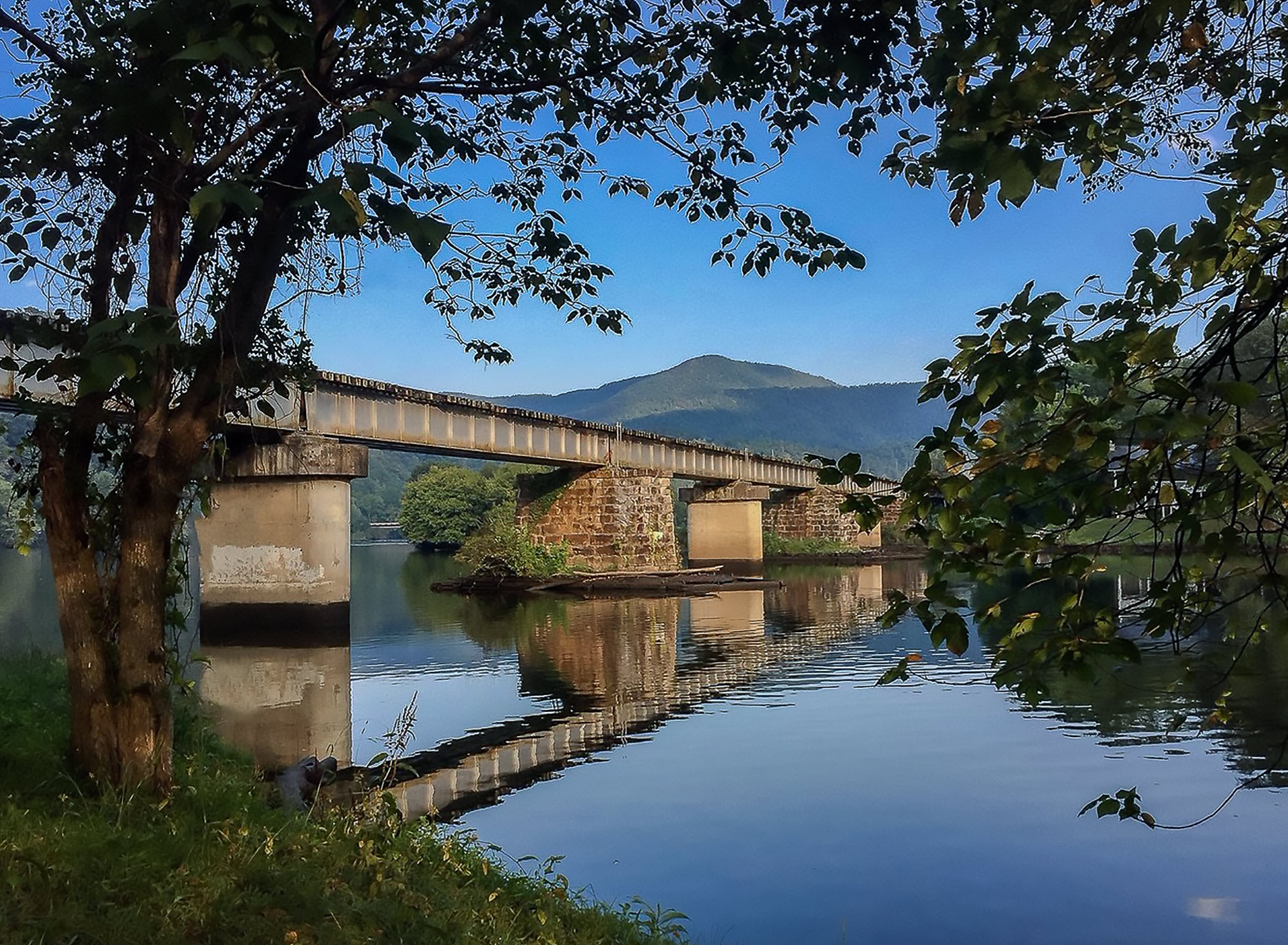
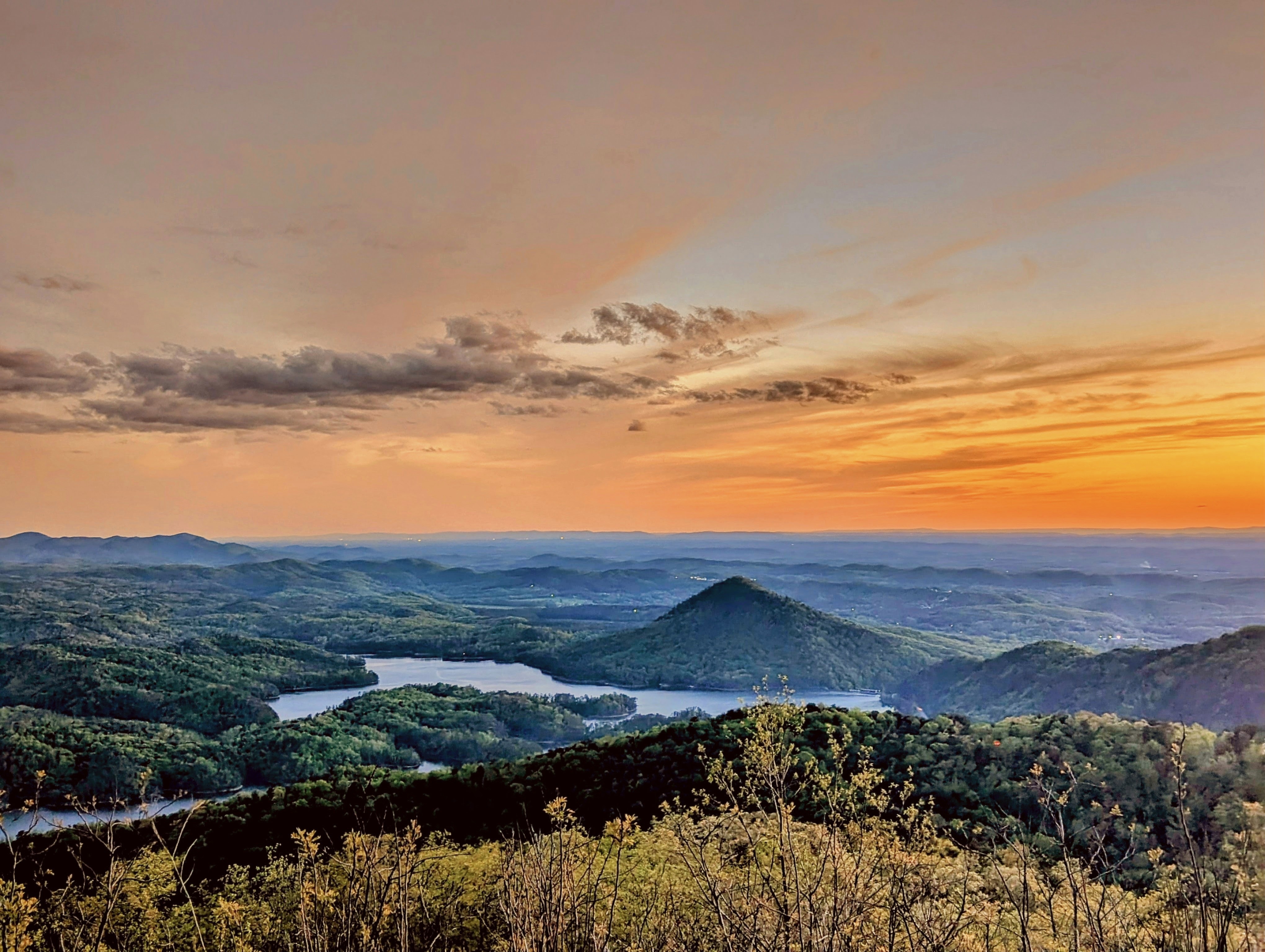
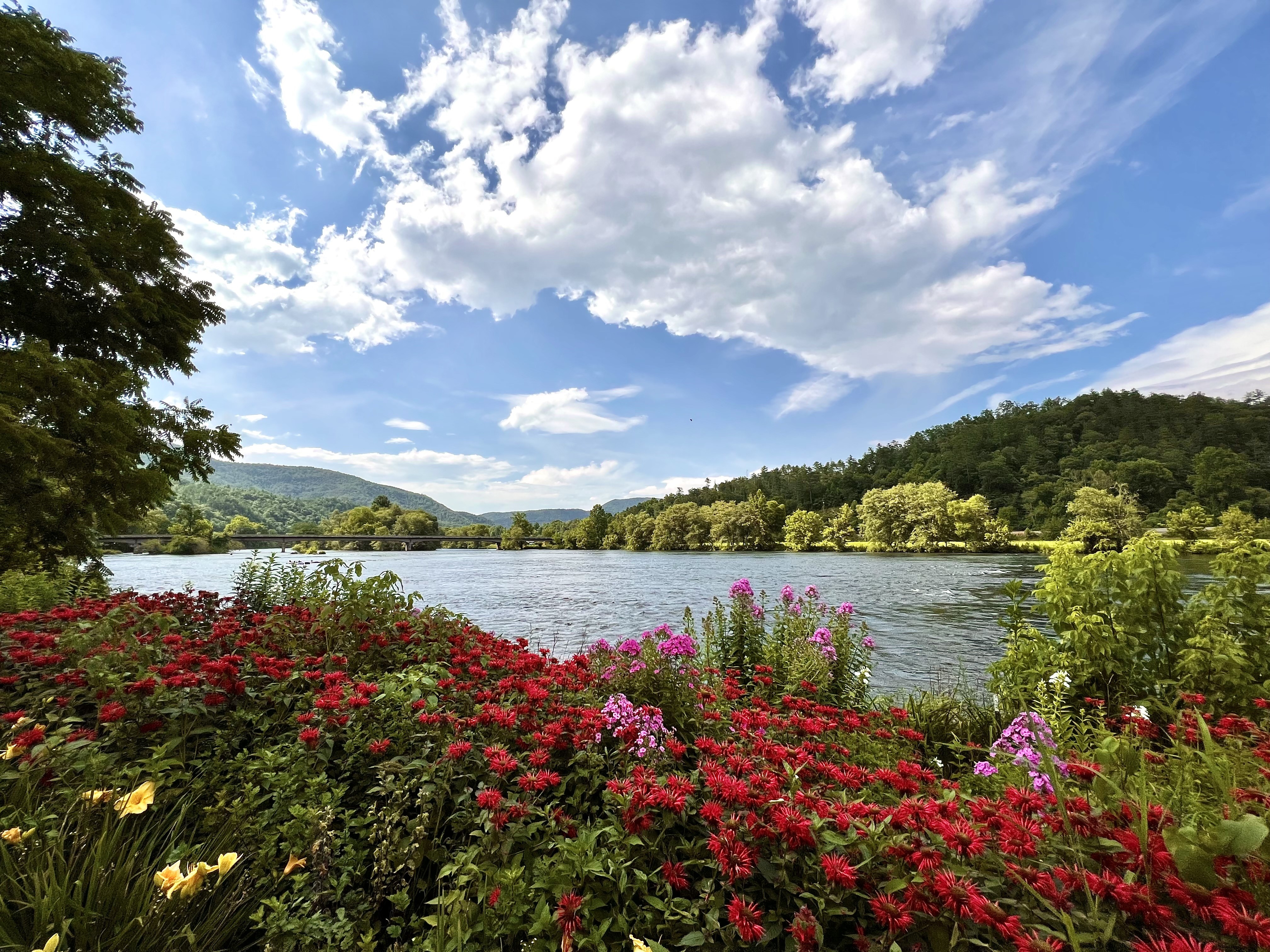

Images courtesy of Polk County News, Polk County High School, and Polk County Chamber of Commerce.
County Announcements
County Meetings Calendar
Open Meetings Calendar